Livelihoods Rwenzori Yethu Project
Large-scale livelihoods & Ecosystem resilience to negative effects of climate Change initiative working with 11,000 smallholder households in the Rwenzori region.
The Rwenzori region in Western
Uganda is not spared from the advance effects of climate change. Manifesting
through prolonged dry spells and erratic rainfall patterns, the region faces
declining soil fertility, low agricultural productivity, deforestation, floods,
and mudslides, all of which negatively impact both livelihoods and ecosystem
resilience. These challenges continue to affect vulnerable smallholder farming
communities whose livelihoods largely depend on agriculture and natural
resources for survival. Without sustainable interventions, the pressure on
forests, ecosystems, and household livelihoods is expected to increase further.
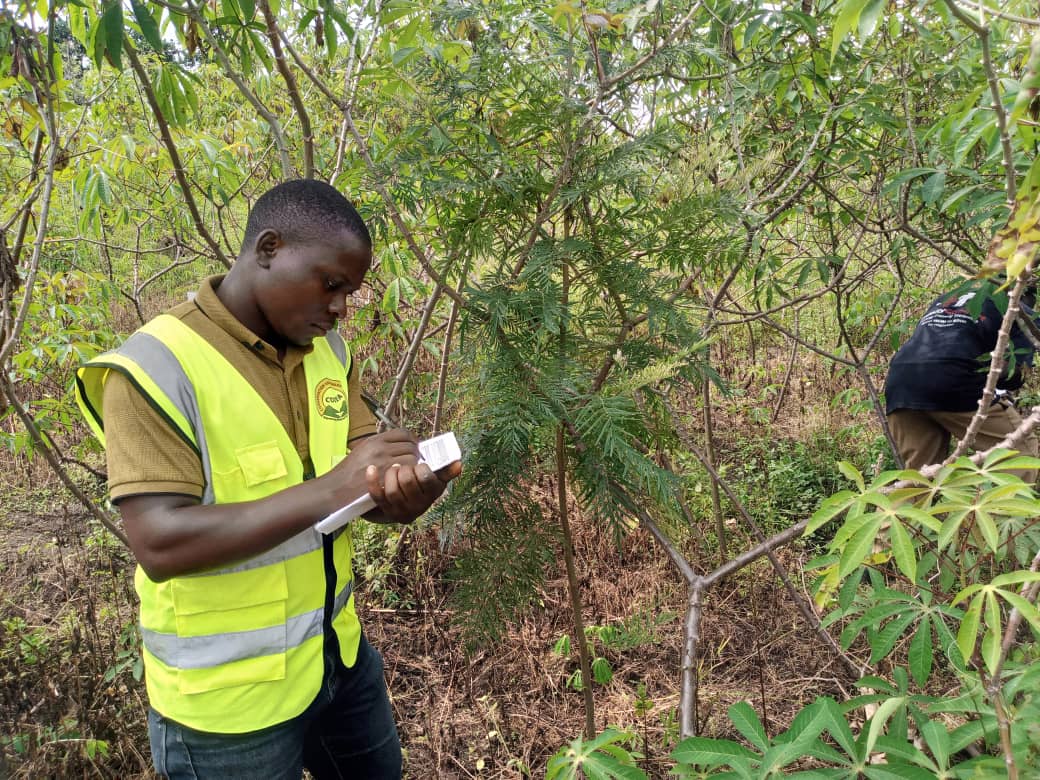
CODEA is implementing the Livelihoods–Rwenzori Yethu Project (RYP), aimed at
enhancing food production and productivity of major cash crops, including coffee and
cocoa, while promoting good land-use practices comprising SLM, IDPM and
agronomy in the region. The project targets restoring 5,000 hectares of
degraded land while working with approximately 11,000 households to improve
food security, household incomes, and environmental sustainability, as well as
sequestering approximately 1.34 million tons of carbon dioxide by 2044. This is
being achieved through collaboration to support communities in agroforestry,
boundary tree planting, woodlot establishment, climate-smart agriculture, soil
and water conservation, and farmer capacity strengthening. These interventions
are expected to contribute to biodiversity conservation, ecosystem restoration,
and reduced pressure on natural forests.
Join us or partner with us by supporting tree planting, funding climate-smart
agriculture, promoting environmental conservation, mobilizing communities,
providing technical expertise, or investing in sustainable livelihoods to help
restore ecosystems and strengthen resilience among vulnerable households in the
Rwenzori region.